
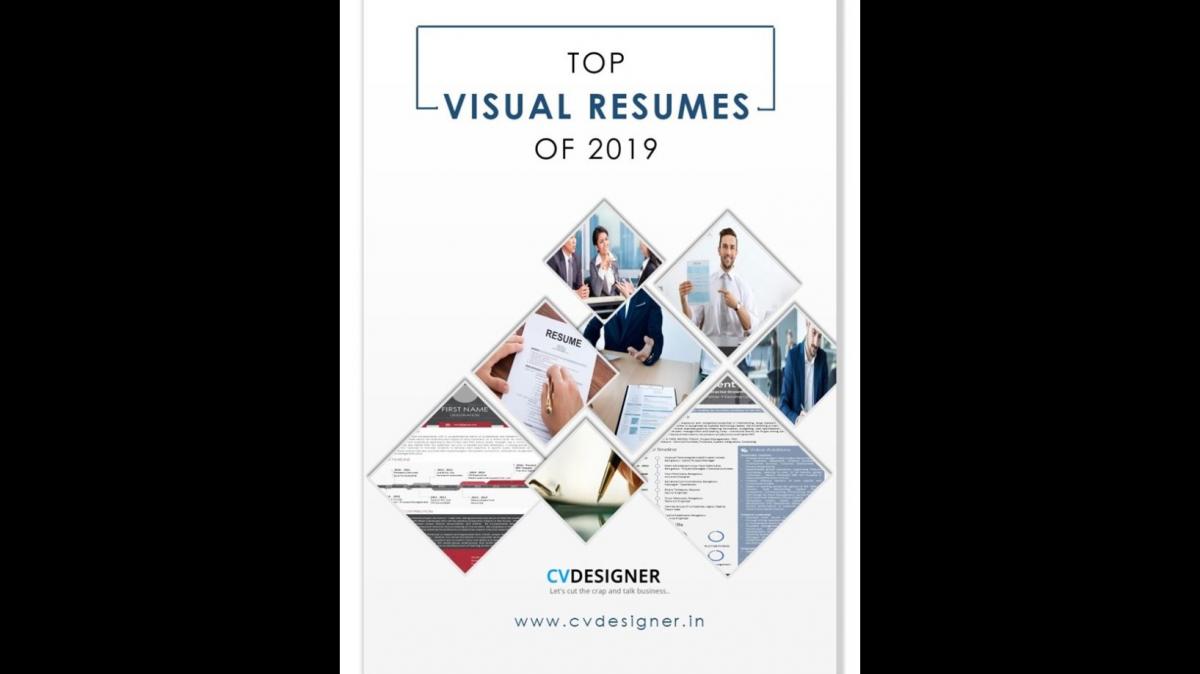
What Makes a Visual Resume Effective Today?
Jan 27, 2021. By Admin
Visual resume styles change, but the core principle remains the same: design should make career information easier to understand. A visual document should strengthen content, not compete with it.
Use design to support hierarchy
Good visual resumes create a clear path through the page. Role, employer, dates, scope and achievements should remain easy to find. Colour, typography and spacing can guide the eye, but they should not reduce contrast or make the document difficult to scan.
Choose visual elements with a purpose
A timeline can help explain progression. A simple chart can clarify scale or achievement. A portfolio link may be useful for design, marketing or creative roles. Avoid progress bars for skills, decorative icons without labels and large graphics that take space away from evidence.
Consider the application channel
For employer portals and ATS-led applications, keep a clean text version ready. For networking, direct outreach or presentation-led roles, a visual version may add useful professional context. Many candidates benefit from using the appropriate format for each route.
Keep the content honest and current
Strong design cannot compensate for vague claims or outdated information. Build the resume around accurate achievements, relevant keywords and a clear target role first. The design should then make those points more memorable for a human reader.
A visual resume is most successful when it is intentional, readable and appropriate for the opportunity.
RECENT BLOGS
-

How to Write a Senior Customer Success CV That Actually Gets You Noticed
-

Why the Best Procurement Leaders Are the Hardest to Hire
-

The Single-Employer Trap: Why 20 Years at One Company Can Look Like Standing Still - and How CVDesigner Fixed It
-

The Patent Paradox: Why the Most Credentialed Aerospace Executives Have the Weakest Resumes
ADD COMMENTS
Your email address will not be published. Required fields are marked *